Kuueza Korner – Week 76

Kuueza Korner – Week 76

Welcome to Kuueza Korner – Week 76! 

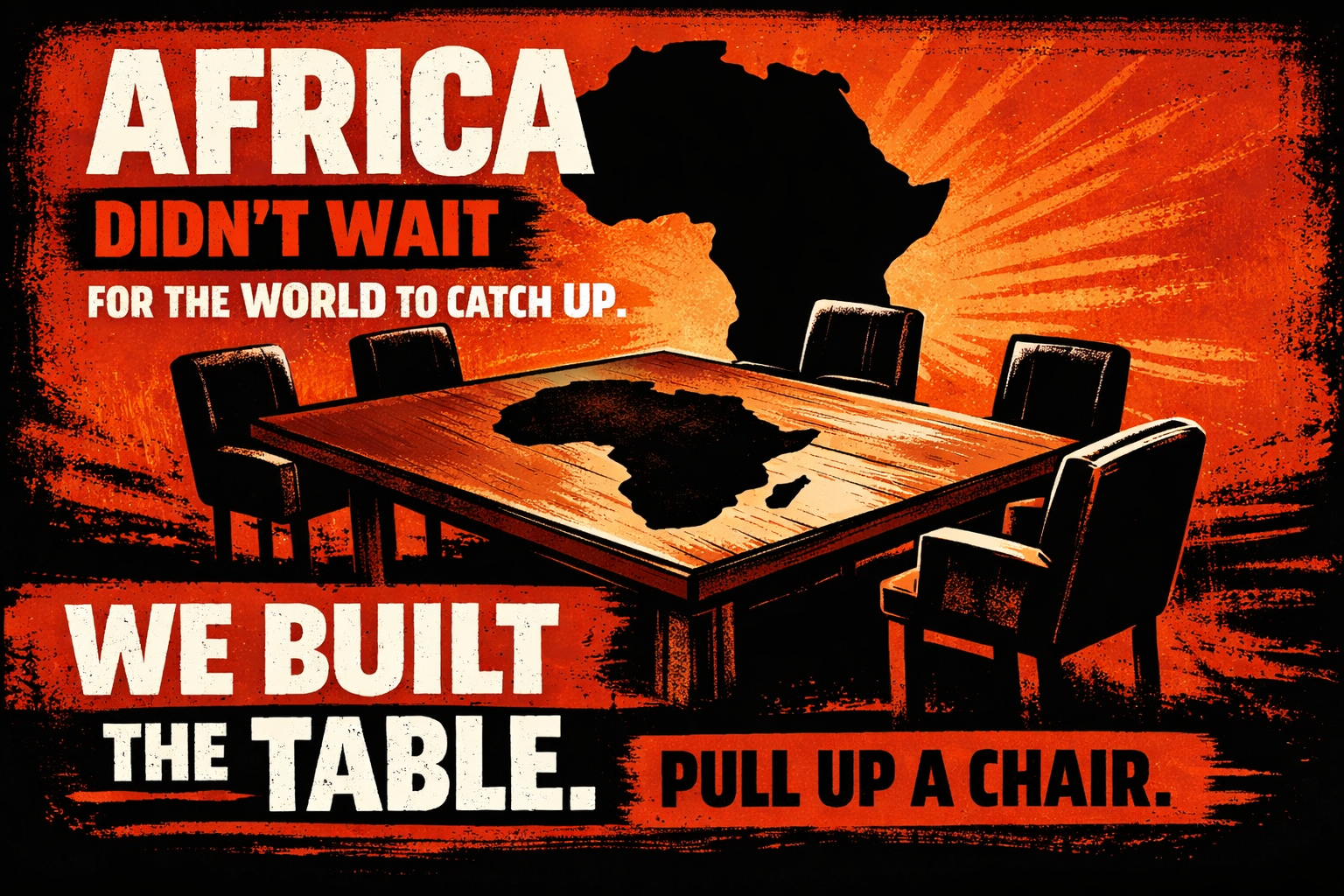
Another week of visibility.
Another week of growth.
Another week of taking African brands beyond borders.

Here, we celebrate progress, spotlight excellence, and create global opportunities for our vendors. Let’s make this week count.

Here’s what’s inside:

  • Is Your Brand Ready to Speak a Global Language?
  • The Vendor Spotlight
  • The Week 75 Challenge
  • Trending African Business News 

Is Your Brand Ready to Speak a Global Language?

The difference between a local success story and a global household name isn’t just the quality of the product; it’s the audacity of the logistics. For 76 weeks at Kuueza Korner, we’ve talked about growth. But today, we’re talking about territory. Look at your current packaging. If it were sitting on a shelf in London, Dubai, or New York right now, would it command the room or blend into the background? “Global” isn’t just a destination; it’s a standard of excellence that begins long before your first shipping container leaves the port.

In this week’s deep dive, we’re stripping away the fluff and giving you the hard-hitting Global Readiness Checklist. From mastering international SKU compliance to the psychology of high-contrast branding, we’re showing you exactly how to bridge the gap between “made locally” and “sold globally.” Your product deserves a world-class stage; it’s time we built it.

The Vendor Spotlight: Austarich Foods

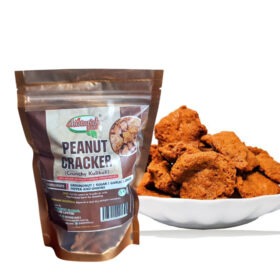
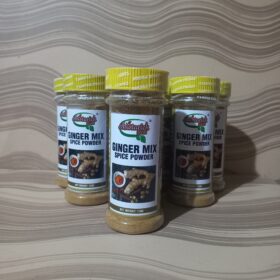
In this week’s spotlight, we look at Austarich Foods, a brand that embodies the “Global Shelves” mindset. Known for their commitment to high-quality, authentic food products, Austarich has navigated the complex journey of scaling up while maintaining the integrity of their flavors.

Austarich Foods -Flaxseeds

0
Current price is: $2.00. Original price was: $2.40.

Austarich Foods -Peanut Crackers

0
Current price is: $1.60. Original price was: $2.00.

Austarich Foods-Ginger Mix Spice Powder

0
Current price is: $3.00. Original price was: $3.50.

What Makes a Buyer Scroll Past

⚠ Blurry or dark photos
⚠ Missing ingredient list or product details
⚠ Incomplete product titles
⚠ Unclear sizes, weights, or variations
⚠ Poor packaging presentation

For decades, the global trade narrative was simple: Africa exported raw materials and imported finished goods. But as we move through February 2026, the script has officially flipped.

From the halls of the 9th Africa Business Forum in Addis Ababa to the booming industrial zones of West Africa, a new reality is setting in. “Buying African” is no longer just a CSR initiative; it is a competitive necessity for global supply chains looking for resilience, sustainability, and speed.

Here is why the smartest buyers in the world are shifting their focus to the continent this year.

1. The Proximity Advantage: Slashing Lead Times

Global supply chain shocks in recent years have exposed the danger of over-reliance on a single geographic region. In 2026, African regional hubs are filling the gap.

  • Textiles: Countries like Benin and Togo have integrated “cotton-to-garment” ecosystems that allow global brands to source high-quality apparel with lead times that rival or beat traditional Asian hubs.

  • Consumer Tech: With Nigeria’s internet user base hitting 148 million this month, the digital infrastructure is supporting a surge in local tech-enabled manufacturing and retail fulfillment.

2. High-Value, Low-Carbon: The Green Premium

Sustainability isn’t a “nice-to-have” anymore; it’s a mandate. African producers are leveraging the continent’s renewable energy surplus to offer “Green Exports.”

  • Critical Minerals: A new landmark agreement between South Africa and the DR Congo is streamlining the supply of cobalt and copper, ensuring that buyers in the EV and renewable sectors have a transparent, ethical, and “value-added” source for raw materials.

  • Solar Manufacturing: Real estate and industrial buyers are increasingly targeting “Solar-First” industrial parks where production is powered by 100% renewable grids, effectively de-risking against global carbon taxes.

3. Financial Friction is Evaporating

The biggest hurdle for buyers, payment, is being dismantled. The 2026 trade landscape is powered by embedded finance.

  • Currency Neutrality: Systems like the Pan-African Payment and Settlement System (PAPSS) now allow for seamless cross-border transactions in local currencies, removing the “dollar-dependency” that previously stalled mid-sized deals.

  • Trade Guarantees: Organizations like the African Development Bank are actively de-risking trade. Just this week, a €10 million guarantee for Ecobank Congo was approved specifically to help SMEs participate in international trade flows.

4. A Maturing Regulatory Landscape

Investors and buyers are finding more “predictable” environments than ever before.

  • Disinflation Trends: In major markets like Nigeria, headline inflation is finally on a downward path, leading to expectations of interest rate cuts by the Central Bank. This stability allows for better long-term pricing contracts between buyers and suppliers.

  • Innovation Hubs: The African Innovation Index 2026 highlights that reforms in regulatory systems and capital access are creating fertile ground for long-term industrial partnerships.

The most successful global buyers this year aren’t just looking for the lowest unit price; they are looking for resilience and proximity. Africa has moved from being a source of raw commodities to a sophisticated marketplace of finished solutions.

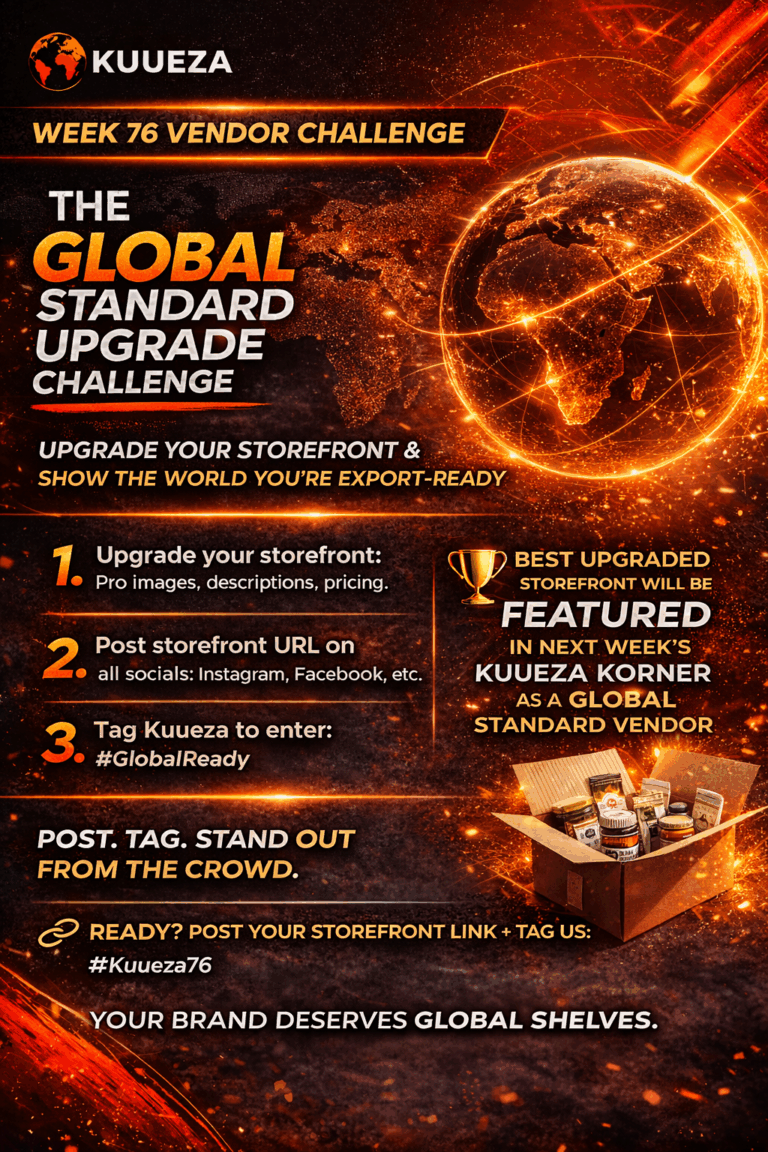
Vendor Challenge

Trending African Business News

  • Kenya successfully raised $2.25 billion from international bond markets to finance a critical debt buyback as investor appetite for African sovereign debt improves. [BusinessDay]

  • Egypt’s state-owned MISR Insurance Group is exploring an entry into Nigeria’s non-life and reinsurance market following the passage of the 2025 Insurance Industry Reform Act. [Business Insurance]

  • South Africa and Nigeria have emerged as the continent’s leaders in stablecoin adoption, with nearly 80% of crypto users in both nations holding dollar-pegged digital assets. [The Guardian Nigeria]

  • South Africa and the DR Congo signed a major partnership to jointly finance and develop projects across the critical minerals value chain, including cobalt and copper. [MarketForces Africa]

  • Nigeria’s gift card market is projected to grow by 11.6% this year, reaching an estimated valuation of $2.56 billion as digital retail adoption accelerates. [GlobalNewswire]

Author

  • Igwe Philip is the Team Lead for Nigeria. Loves to develop local SMEs and impacting his communities. Passionate about writing and telling stories creatively.

Philip Igwe

Igwe Philip is the Team Lead for Nigeria. Loves to develop local SMEs and impacting his communities. Passionate about writing and telling stories creatively.

See all author post

Leave a Reply

Your email address will not be published. Required fields are makes.