Welcome to Kuueza Korner Week 74.
your weekly roundup of marketplace progress, vendor milestones, platform updates, and growth opportunities across the Kuueza ecosystem.
Built by vendors and powered by community, Kuueza continues to expand its reach and impact across borders. Each week brings new stores, new product visibility, and stronger trade connections, and this edition highlights the momentum we’re building together.
In this week’s update, you’ll discover important platform developments, featured highlights, and key opportunities designed to help vendors grow faster, reach wider markets, and succeed more confidently.
Let’s dive into what’s new this week.
Here’s what’s inside:
- New Products Spotlight.
- E‑commerce Is Becoming a Live, Social Experience.
- Current US Weather Overview
- Vendors Challenge
- Trending African Business News
New Products Spotlight
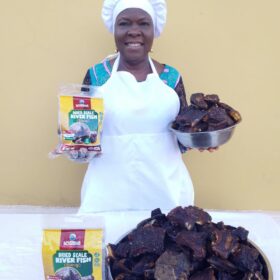
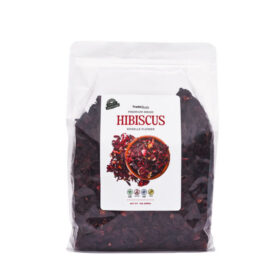
This week, we’re shining the spotlight on newly listed products now available on the Kuueza marketplace. From fresh arrivals to unique vendor offerings, these products reflect the creativity, quality, and diversity within our growing vendor community.
We encourage buyers and partners to explore these new additions, support our vendors, and discover products that stand out across categories. For vendors, every new listing increases visibility and opens new doors to cross-border customers.
Have a new product live on Kuueza? Keep your catalog updated; you could be featured in our next spotlight.
MACARIUSVILLE DATE SYRUP
E‑commerce Is Becoming a Live, Social Experience
Online shopping is no longer just about clicking through product pages; it’s evolving into live, interactive experiences that blend entertainment, community, and commerce. This shift, often called live commerce or live social shopping, is transforming how buyers discover, engage with, and purchase products online.
Here’s what this trend means for the e‑commerce landscape:
Real‑Time Interaction Builds Trust
Unlike traditional listings, live commerce lets buyers see products in action and ask questions during a livestream in real time. Hosts can demonstrate product features, respond to comments on the spot, and even tailor recommendations based on viewer feedback, making online shopping feel more trustworthy and less transactional. This immediacy helps reduce hesitation and boosts buyer confidence.
Engagement Drives Sales
Live social shopping experiences are inherently social. Viewers aren’t just watching, they’re participating. Platforms like TikTok, Instagram Live, and Amazon Live let audiences interact with hosts and other viewers, creating a shared experience that feels more like community than commerce. These interactions can significantly increase engagement and often lead to higher conversion rates compared with traditional product pages.
Urgency & Exclusives Boost Momentum
Live streams often feature flash deals, limited‑time offers, or exclusive product drops that create urgency. This sense of real‑time excitement encourages impulse purchases and drives sales more effectively than static promotions.
A Growing Global Force
Although the trend began in China, where live commerce has become a major sales channel, it’s now expanding globally. Markets in the U.S., Europe, and Southeast Asia are increasingly embracing live social shopping, with platforms integrating livestream shopping features and businesses experimenting with interactive formats to reach new audiences.
What This Means for Vendors:
Think beyond photos and descriptions, stories, demonstrations, and real voices sell.
Live events are an opportunity to build deeper connections with customers.
Integrating live selling into your marketing strategy can boost visibility and accelerate growth.
In a world where buyers want connection and immediacy, live social commerce is making online shopping more human, community‑centered, and engaging, and vendors who embrace it stand to benefit from its rapid growth.
Current US Weather Overview
The weather across the United States today is a tale of two extremes. While some regions are experiencing a significant “February Thaw,” others remain locked in a volatile winter pattern:
The Freeze: The Northeast and parts of the Midwest are currently facing a “clipper system” bringing snow and a round of intense cold air. Cities like New York, D.C., and Pittsburgh have seen their coldest start to February in years, with some areas hitting temperatures as low as -7°C to -8°C.
The Thaw: Conversely, the Central and Southern Plains are seeing temperatures soar into the mid-70s°F (around 24°C) this afternoon. While the warmth is a relief, it is exacerbating drought conditions in key agricultural belts.
Logistics Hazards: In the “Delta” region and along the Mississippi River, rising temperatures are finally breaking up river ice, but water levels remain critically low, continuing a trend of transportation disruptions that began in late 2025.
Impact on African Vendors
For African businesses exporting to the US or relying on US imports, these weather patterns create a “ripple effect” through the supply chain:
1. Inventory Gaps and “Empty Shelf” Syndrome
Repeated weather delays in early February have led to low inventory levels at US retail hubs. For African vendors selling niche products (like specialty foods, textiles, or beauty products), shipping delays mean missing critical “restock” windows, leading to lost sales as consumers turn to available domestic alternatives.
2. Logistics and “First Mile” Delays
While the US “last mile” is hit by snow, the Mississippi River’s low water levels are a major bottleneck for bulk commodities. This affects the cost of moving goods from ports to inland warehouses. African exporters of raw materials or heavy goods may see increased spot rates and “emergency freight” surcharges as carriers scramble to reroute around frozen or low-water corridors.
3. Temperature-Sensitive Shipments
African vendors dealing in perishables (fresh produce, flowers, or cocoa-based products) face high risks. The extreme volatility, going from sub-zero freezes to 70-degree thaws in 48 hours, can compromise “reefer” (refrigerated) containers. Demand for climate-controlled storage is currently at a peak, driving up costs for small-scale African exporters.
4. Financial & Liquidity Strain
Logistics disruptions are not just a “delay” but a financial hit. With transit times stretching 3 to 4 weeks longer than normal due to the combination of US winter storms and the post-Lunar New Year shipping lull, African vendors are seeing delayed receivables, which tightens working capital.
Vendors Challenge
Trending African Business News
South Africa Joins Afreximbank: President Ramaphosa formally acceded to the African Export-Import Bank, launching a massive $8 billion country-specific funding programme to boost industrialization.
Nigeria Taps Halal Market: The Nigerian government launched a National Halal Economy Strategy to capture a share of the $7.7 trillion global market and diversify non-oil exports.
SAA Returns to Profit: South African Airways reported a R155 million net profit for the latest financial year, marking its second consecutive year of profitability since exiting business rescue.
Ghana Inflation Milestone: Ghana’s consumer inflation plunged to a five-year low of 3.8% in January, extending its significant disinflation streak into 2026.
MTN Tower Acquisition: Africa’s largest mobile operator, MTN Group, is in advanced talks to buy a 75% stake in IHS Holdings to reclaim control over its critical network infrastructure.
Author
Philip Igwe
Igwe Philip is the Team Lead for Nigeria. Loves to develop local SMEs and impacting his communities. Passionate about writing and telling stories creatively.
See all author post