Welcome to Kuueza Korner – Week 47!
At Kuueza, we believe in the power of small businesses to make a global impact. This week, we continue to celebrate the merchants, milestones, and meaningful progress shaping cross-border trade.
One Platform. Hundreds of Dreams.
Every product listed, every story shared, and every connection made is a step toward something bigger. Let’s keep building together.
In this Issue;
- Introducing Kuueza.US
- This Month Top Perfomers
- Market Insight
- Challenge of the Week
- Hero of Change
- Recommended Reads
- Work/Business Tip of the Week
- Investment & Financial Opportunities
- Trending Business News
- Meme of the Week
Introducing Kuueza.US
We’re excited to announce the launch of Kuueza.US a dedicated platform designed for small and medium-sized businesses in the United States that are ready to expand into African markets.
Whether you’re a U.S. business owner looking to export your products to African retailers or seeking trade partnerships across the continent, Kuueza.US is your gateway to African trade.
Join us as we build stronger trade bridges between the U.S. and Africa where commerce meets opportunity.
From Cart to Checkout: This Month’s Top Performers
Dry Catfish
Plantain Chips
Dates Powder
Roasted Cashew Nuts Unsalted
Baked Ripe Plantain Chips
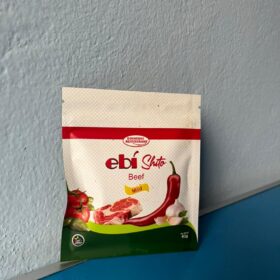
EBI SHITO BEEF SMALL
Global Business & Trade Insights – July 2025
1. U.S.–Africa Trade Momentum Is Growing
Trade relations between the United States and African countries are seeing renewed interest. With initiatives like AGOA (African Growth and Opportunity Act) potentially being extended beyond 2025, U.S. businesses are increasingly looking toward Africa for sourcing and market expansion.
Insight: Kuueza.US is launching at a strategic time to capitalize on this opportunity.
2. E-Commerce Cross-Border Sales Are Booming
According to recent industry reports, cross-border e-commerce is expected to grow by over 25% globally in 2025, with emerging markets like Africa and Southeast Asia leading the charge.
Insight: African SMEs with digital storefronts have a competitive edge—visibility and logistics are key.
3. Demand for Natural & Organic Products Is Rising
Across Europe and North America, there’s increased consumer demand for natural, handmade, and ethically sourced products—many of which are produced by African artisans.
Insight: Shea butter, black soap, and handmade crafts are in high demand. Positioning and branding matter more than ever.
4. Supply Chain Diversification Is a Global Trend
Due to recent global disruptions, businesses worldwide are moving away from relying on one region for sourcing. Africa is gaining attention as a supply alternative.
Insight: African merchants should highlight reliability, consistency, and quality to win contracts with global buyers.
5. SMEs Are Becoming the Backbone of Global Trade
The World Bank highlights that SMEs now contribute over 40% to GDP in emerging markets and play a critical role in job creation and exports.
Insight: Platforms like Kuueza that support SME growth are crucial to shaping future trade ecosystems.
Vendor Challenge of the Week
Show Us Your Product in Action!”
This week, we’re challenging our vendors to post a photo or short video of one of their products being used by a real customer — whether it’s someone applying your shea butter, wearing your clothing, or unboxing your handmade item!
Why?
People connect with people — real-life usage boosts buyer confidence and drives sales!
How to Participate:
Post your content on Instagram or Facebook
Tag @Kuueza and use the hashtag #KuuezaChallenge
Best entry gets a feature in next week’s Kuueza Korner and a free product spotlight boost on our homepage for 7 days!
Hero of Change — Obi Ozor (Nigeria) – Kobo360
Tech entrepreneur behind Kobo360, a digital logistics platform offering end-to-end delivery solutions across Africa. Supported by investors like Goldman Sachs and International Finance Corporation, Kobo360 is reducing trade friction for merchants and improving logistics infrastructure across the continent.
Recommended Reads
Work/Business Tip of the Week
1. Build Strategic Local Partnerships
Forge alliances with trusted local distributors, agents, or trade associations in your target markets. These networks provide regulatory guidance, cultural access, and trusted distribution channels.
2. Adapt Products for Local Markets
Customize packaging, branding, flavors, or sizing to match local customer preferences and purchasing power. Tailored offerings foster stronger market fit and harmonize pricing strategies.
3. Embrace Digital & Mobile-First Tech
Set up an online presence, embrace mobile payments, social media storefronts, and simple cloud tools. These bring access to new customers and improve reach and credibility.
4. Use Data to Drive Decisions
Leverage transaction and customer data to optimize marketing, inventory, and product development. Seek platforms that make insight accessible, even with limited tech skills.
5. Streamline Logistics and Trade Compliance
Work only with reputable freight forwarders and customs brokers. Track your goods closely, ensure quality standards, and prioritize reliable delivery schedules. Efficient logistics minimizes delays and boosts reputation.
6. Focus on Core Strengths & Smart Growth
Identify your unique value (artisanism, organic quality, speedy delivery). Prioritize those, reinvest carefully, monitor key metrics, and explore new markets gradually.
Quick Showcase
Tip 1: Build Strategic Local Partnerships – Expand with trusted agents or trade groups.
Tip 2: Adapt Products Locally – Creative packaging and pricing resonate better abroad.
Investment & Financial Opportunities for African Vendors
1. Afreximbank Trade Finance Programs
Offers a suite of structured trade finance tools including invoice discounting, short-term factoring, and receivables purchase programs, designed to help SMEs manage working capital and access export credit support.
Also manages the Fund for Export Development in Africa (FEDA), which provides grants, equity investments, and credit guarantees to businesses expanding intra-African trade.Wikipedia
2. Factoring & Trade Credit Insurance
Factoring allows SMEs to sell receivables at a discount for immediate cash, especially beneficial for cross-border buyers under AfCFTA. Factoring is growing rapidly across more African markets.
Trade Credit Insurance protects exporters from buyer default risk, enabling safer sales on credit terms. African firms can de-risk trade deals with better terms.The Trade Adviser
3. Crowdfunding & Peer-to-Peer Lending Platforms
Platforms like Kiva, Kickstarter, Lendahand, and others can help launch export projects or scale product batches with community-driven funding.The Trade Adviser
4. African Development Finance Institutions
Proparco via the Choose Africa initiative offers equity, loans, and guarantees to innovative SMEs across sectors. It has committed over €2.5 billion for African businesses.Wikipedia
The ECOWAS Bank for Investment and Development (EBID) supports SMEs with loans, equity, structured financing, and lines of credit, especially in West Africa.
5. Commodity-Backed & Green Financing for Agri-SMEs
Models that leverage crop or commodity as collateral are gaining traction, especially for agricultural export ventures. Investor and DFI interest is rising.NNRV Trade Partners & Brokerage+1Reuters+1
Trade finance tools tied to ESG/sustainable practices are increasingly available, helping agri exporters and green businesses access premium capital.
✅ Practical Steps for Kuueza Vendors:
Explore trade credit & factoring via Afreximbank or national export credit agencies like NEXIM (Nigeria) or ECIC (South Africa).The Trade Adviser
Apply for FEDA or Proparco/Choose Africa support if you’re scaling across borders or expanding capacities.
Use crowdfunding or peer lending for specific projects, like launching a new product or export batch.
Leverage local microfinance programs such as Inkomoko to build capital and business skills early on.
Seek ESG- or commodity-backed financing for agricultural exports, organic products, or climate-aligned ventures.
Spotlight Initiative: Fund for Export Development in Africa (FEDA)
Operated under Afreximbank, FEDA supports export growth through grants, investment, and financing solutions, targeted especially at SMEs in member African countries.
Trending African Business News
African leaders fast-track AfCFTA implementation, with intra-African exports up 12.4% in 2024 and potential for 81% growth if fully rolled out Reuters+4Reuters+4African Export-Import Bank+4.
G20 finance ministers convene in Durban, aiming for consensus on trade and development amid tariff tensions and U.S. absence Reuters+4Reuters+4Reuters+4.
South African rand gains ~0.3% as markets respond to G20 optimism and expected communique consensus Reuters+1Reuters+1.
U.S. tariffs on South African exports could risk 100,000 jobs, particularly in agriculture and auto sectors ensafrica.com+7Reuters+7Reuters+7.
Uganda’s shilling and Zambia’s kwacha are expected to strengthen, supported by lower importer demand and rising forex inflows Reuters.
Meme of the Week
Author
Philip Igwe
Igwe Philip is the Team Lead for Nigeria. Loves to develop local SMEs and impacting his communities. Passionate about writing and telling stories creatively.
See all author post